Pink in a Boy's Room: Are You Crazy?
Being a boy mom can be surprisingly difficult – not because of the sweet little boy himself, but because of the choices available. Walk into most children's stores, and you'll quickly notice a pattern: soft pastels, florals, and cheerful colors are marketed toward girls, while boys are offered dinosaurs, construction trucks, race cars, and a sea of blues, greens, grays, and other dark tones.
Somewhere along the way, we've decided that certain colors belong to certain genders. And pink? Pink has been unfairly placed in the "girls only" category.
But what if we told you that pink can be a wonderful choice for a boy's room? Crazy, isn't it? Many mommy forums will tell you that under no circumstances should you paint the walls this color, but if your son loves pink, or if you're simply drawn to the color yourself, don't let outdated stereotypes stop you.
Ideas on How to Design a Room for a Boy with Pink?
While pink by itself can feel overly feminine, the secret lies in how you use it. Pairing pink with complementary colors, fun patterns, and natural textures can create a more gender-neutral space with an edge of creativity.
Pink with Earthy Tones
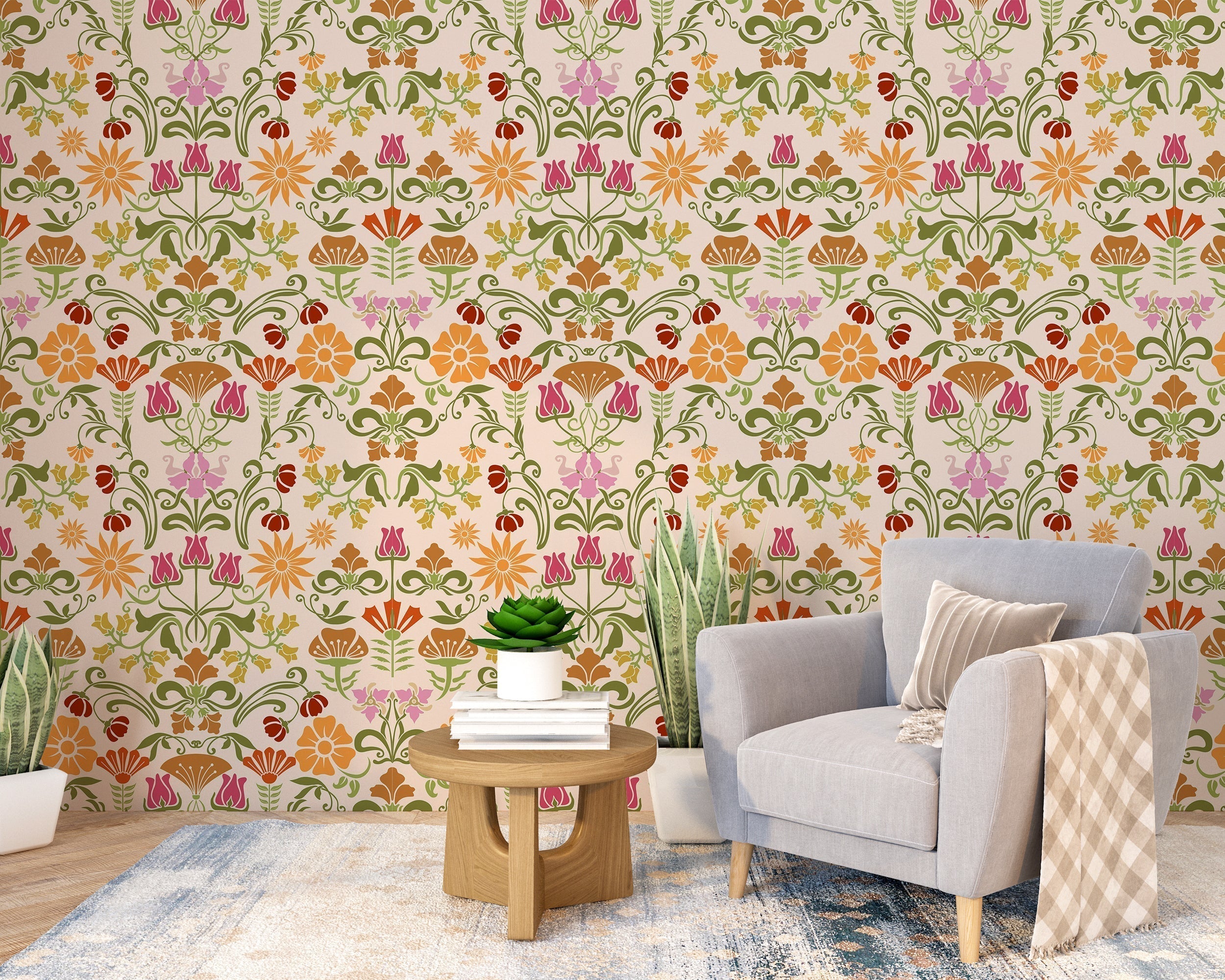
Dusty pinks work beautifully alongside warm browns, terracotta, olive green, and beige. These combinations create a grounded, nature-inspired look that feels cozy rather than traditionally feminine.
If you are looking for inspiration, we have gathered some color combinations that still focus on the color pink but mask it behind more masculine colors and quite fitting descriptions.

While not traditionally considered an earthy color, a deep charcoal grey is a great choice for creating a room that doesn't feel overly pink. Paired with neon accents, it strikes a balanced look that feels playful and modern rather than distinctly feminine or masculine.
For a softer take on the pink-and-grey palette, opt for muted pink walls complemented by carefully chosen accessories. Framed prints of bugs, lizards, and other natural curiosities introduce an unexpected twist.
Pink Patterns
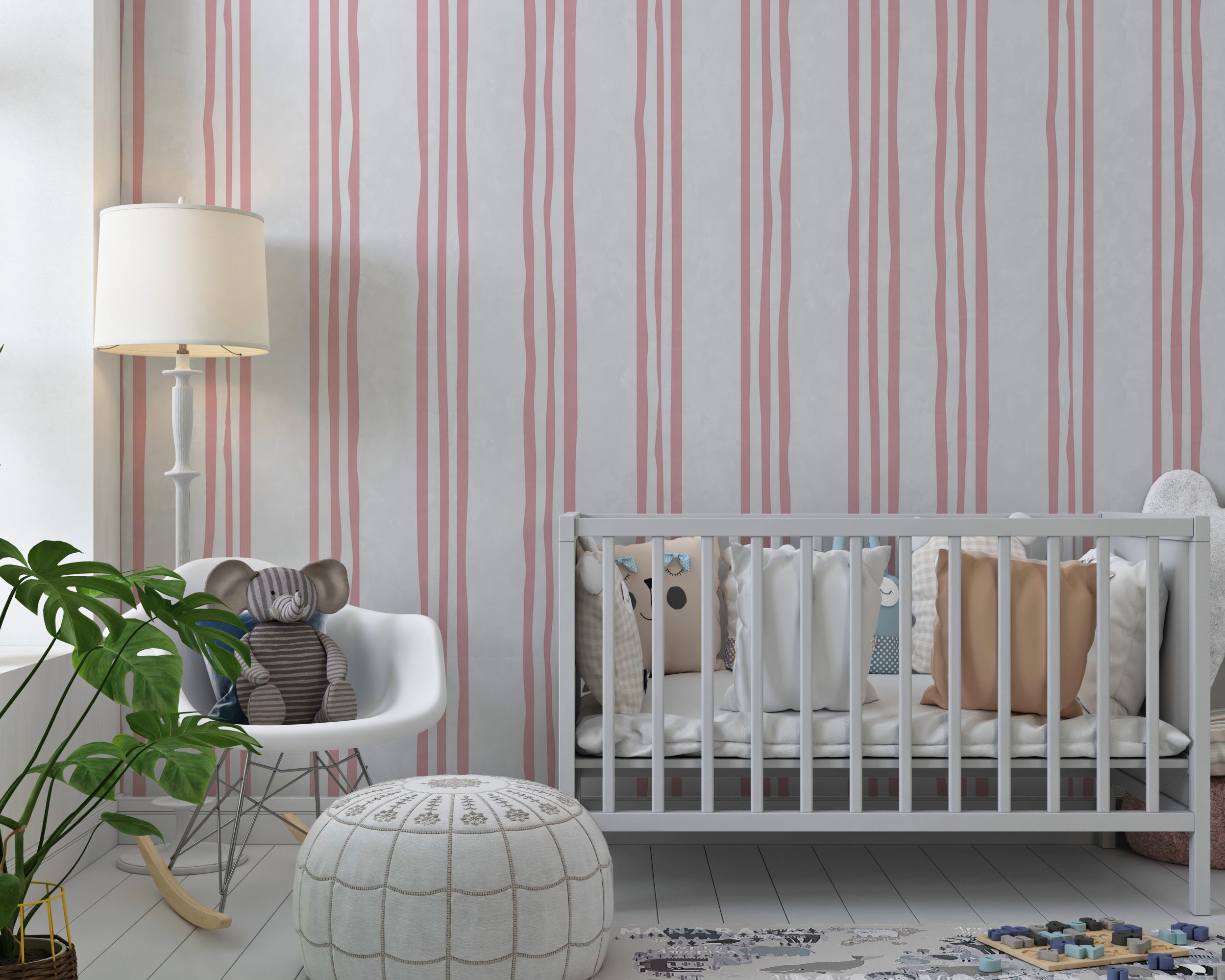
One of the easiest ways to introduce pink into a boy's room is through patterns. Instead of covering the walls in a solid shade, look for wallpapers that mix pink with other colors, such as blue, green, mustard, gray, or black.
Patterns also make pink feel more balanced because it's just one part of the overall design. A dusty pink background with navy details or a colorful print with small pink accents can add warmth and personality without dominating the room. It's a simple way to move beyond outdated color stereotypes and create a space that feels fun, unique, and full of character.
The best part? Kids rarely care about color rules the way adults do. They respond to designs they enjoy, whether that's a jungle full of pink flamingos, a space theme with pink planets, or bold geometric shapes in every color of the rainbow. Choosing a pattern your child loves is far more important than worrying about whether a color is meant for boys or girls.

Pink as an Accent Wall
If you're not ready to paint every wall in your little boy's room pink, an accent wall is a great place to start. It lets you introduce the color without overwhelming the space. Choose a pink shade that works with the rest of the room for a balanced look. Warm pinks pair beautifully with beige, cream, and earthy tones, while cooler pinks complement blues, grays, and crisp white. The result is a room that feels fresh, modern, and full of personality without making pink the only thing you notice.

Your Child's Interests
At the end of the day, your child's room should reflect who they are, not outdated ideas about which colors belong to boys or girls. Whether they're into dinosaurs, race cars, outer space, animals, or happen to love pink, there's no reason those interests can't come together in one fun and thoughtfully designed space.
The best children's rooms are the ones that make kids feel happy, comfortable, and inspired. So if pink is a color your child enjoys, don't be afraid to embrace it. Great design is about creating a room that feels personal, welcoming, and full of imagination.