Japandi Home Decor: Starting with Wallpaper
You’reprobably asking yourself, “What is Japandi interior design?” Simply put, this style blends Japanese minimalism with the warm tones and functionality of Scandinavian design. The name itself combines Japanese style with Scandi. But for those of you who can’t quite imagine these two interior styles combined into one look, let’s explore each influence and discover how they come together, and in many ways, how two district regions of the world have the same design trends and work together really well.
Japanese-style interior decorating
Traditional Japanese interiors are defined by thoughtful material choices and purposeful design. Every element has a function, which is why Japanese homes are often described as minimalistic. Rather than filling a space with unnecessary objects, the layout is kept open and intentional, allowing room for gatherings.
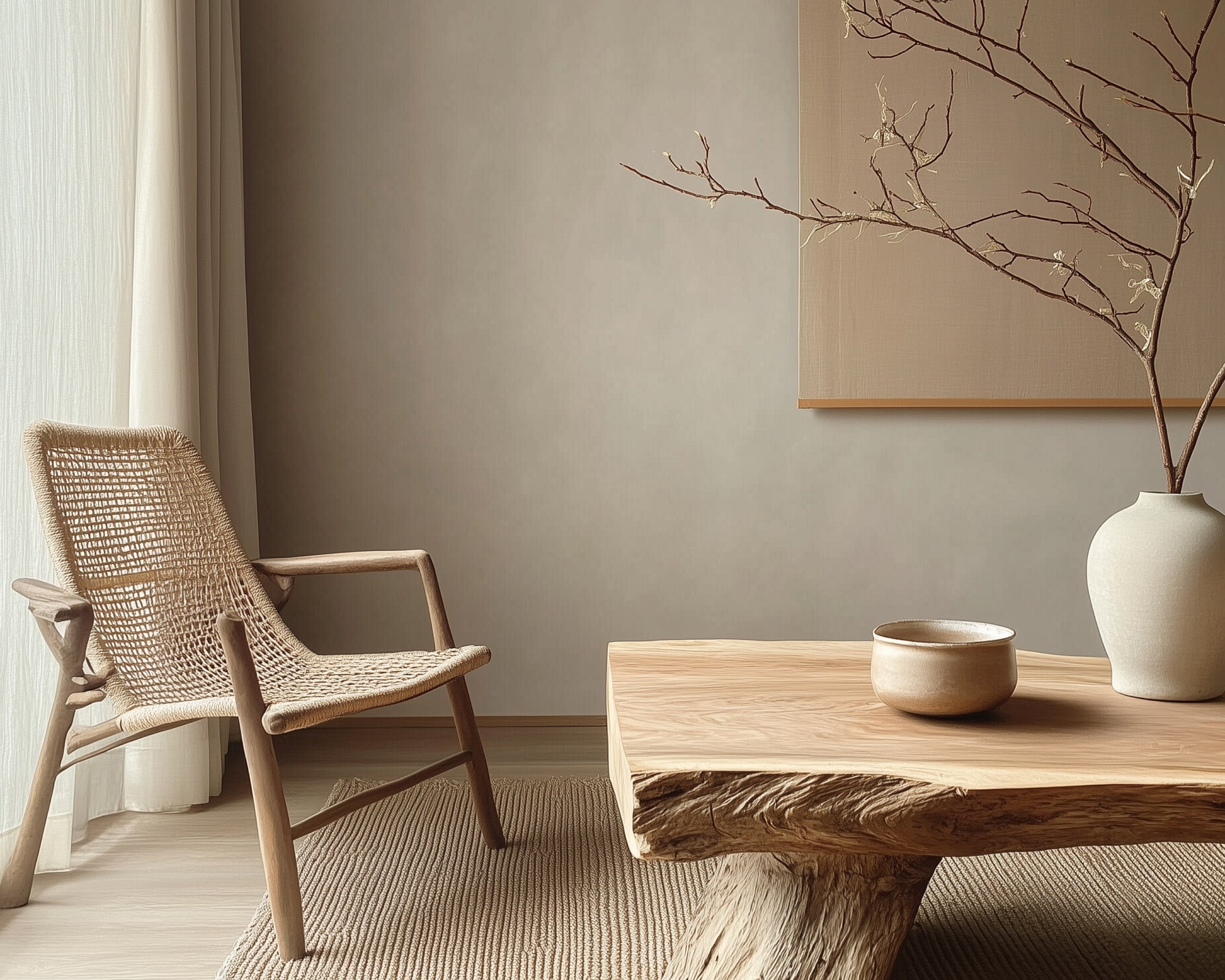
Japanese interior design strongly embraces natural colors and textures. Materials like wood, stone, linen, and paper are commonly used. The same philosophy applies to color choices, which typically include soft, earthy tones like white, black, gray, beige, brown, taupe, and cream.
In contrast to all the light shades, modern Japandi interiors lean into dark-stained oak and walnut shades.
Scandinavian interior decorating
Scandinavian interior décor is, in many ways, similar to the Japanese approach to home design. Both styles value simplicity and functionality. One key similarity between Scandinavian and Japanese decorating is the minimalist approach to furniture. Another important aspect is the focus on comfort and livability.
While Japanese trends focus more on beige tones, Scandinavian decorating tends to lean more heavily into grey tones. Whether used on walls, furniture, or textiles, shades of grey are a common choice in many Scandinavian homes.
Another key distinction lies in the type of wood used. While Japanese interiors often feature darker woods such as walnut, cedar, or stained oak, Scandinavian design favors lighter wood varieties. Materials like oak, ash, beech, and birch are commonly used to reflect natural light. These lighter tones help create the fresh feeling that Scandinavian interiors are known for.
How to incorporate the Japandi style with wallpaper?
With the distinctions and similarities between the two styles that form the Japandi aesthetic explained, we can now focus on Japandi-inspired wallpaper. Whether you prefer peel-and-stick or non-pasted Japandi wallpaper, a few key elements are essential to achieve this calm and balanced look. The goal is to keep the design simple, natural, and harmonious with the rest of the space.
- Focus on simplicity and look for subtle patterns, such as delicate botanical forms or understated geometric shapes.
- Use natural-inspired patterns. These play an important role in Japandi design. Wallpaper featuring organic textures, botanical elements, or soft landscape-inspired designs.
- The Japandi decor style requires a neutral colour palette. Choose wallpapers in muted tones like beige, taupe, warm grey, cream, soft brown, or charcoal.
- Elegant and timeless designs work best. Avoid trends that feel too bold or temporary. Instead, opt for elegant wallpaper patterns that feel timeless and sophisticated.
Japandi wallpaper inspiration
Let’s look at a compilation of peel-and-stick and non-pasted wallpaper designs suited for both renters and homeowners who want to take on the challenge of transforming their space into the perfect Japandi-inspired interior, suitable for both the short term and long term. These styles combine the Japandi color palette of soft beiges and neutral tones with natural-inspired elements that help create the light, earthy atmosphere this design style is known for. The result is wallpaper that feels calm, balanced, and effortlessly connected to nature while still fitting beautifully into modern homes.
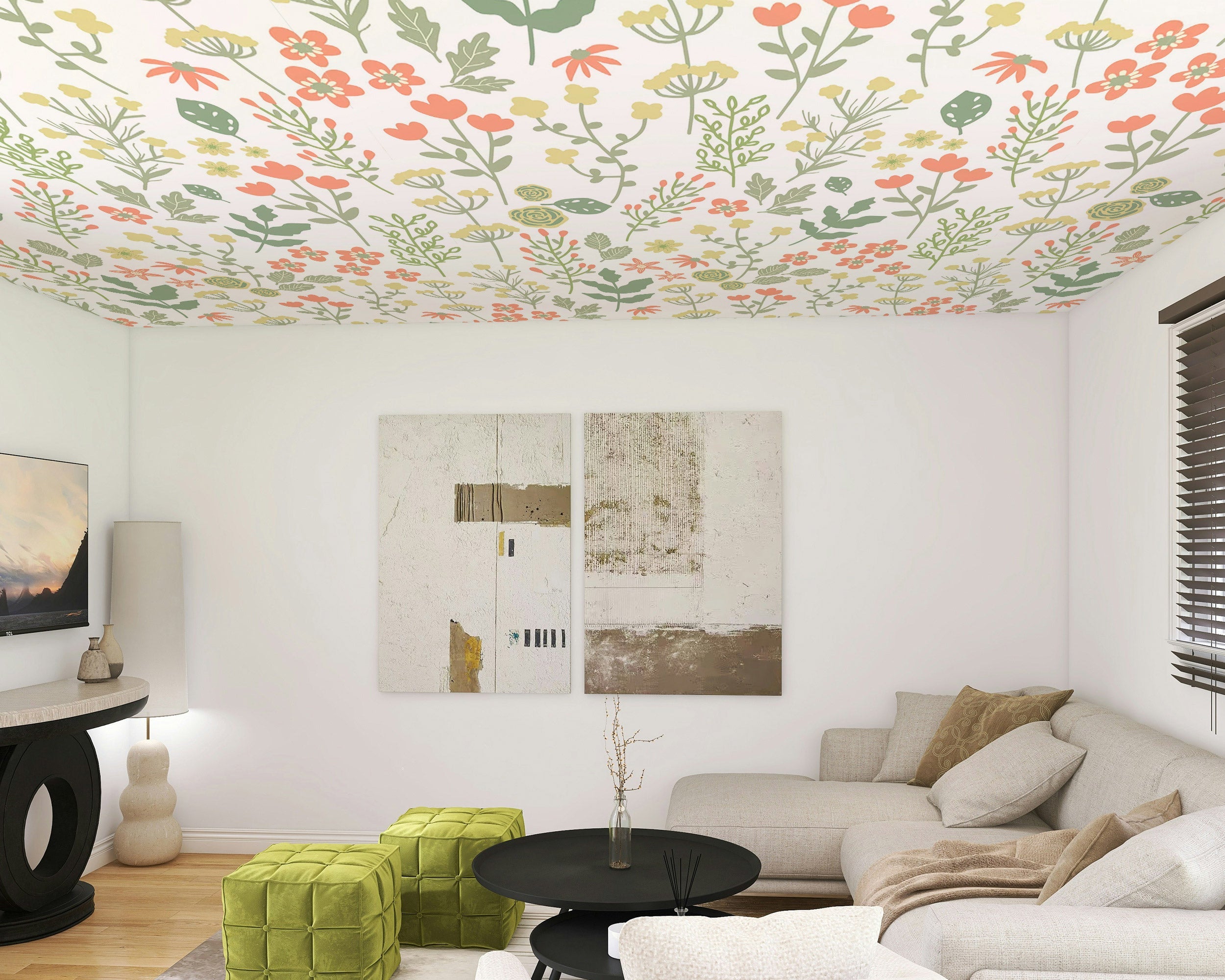
Light floral wallpaper
This light, floral wallpaper design evokes the charm of Scandinavian retro style, where delicate floral prints were a common feature in many homes. At the same time, the pattern remains neutral and minimal, helping maintain a clean and balanced look without making the space feel cold or sterile
 |
 |
Faux Linen Wallpaper
Faux Linen wallpaper is inspired by natural materials, creating the appearance of a soft, textured surface that feels almost three-dimensional. It’s a perfect choice for the Japandi aesthetic, which emphasizes natural elements and subtle textures that feel calm, organic, and refreshing rather than overly artificial.
 |
 |
Light beige crocodile Wallpaper
Light beige crocodile wallpaper adds a subtle sense of texture and pattern to the space, while its soft beige tone helps create a warm and inviting atmosphere. The understated design adds visual interest without overwhelming the room, making it a stylish choice for Japandi interiors.
 |
 |
Light Terra Folia Wallpaper
Light Terra Folia wallpaper offers a more modern take on the Japandi interior style. Its subtle organic pattern and soft tones reflect the natural influences that define Japandi design, while the contemporary look keeps the space feeling fresh and suited to modern interiors. It’s also a great option for renters who already have classic yellow-toned laminate flooring. The soft colors help mute strong yellow undertones and create a more harmonious palette, allowing the room to feel refined.
 |
 |
Japandi + Wall + Decor
As every artist and interior decorator knows, one of the most important parts of creating a desired space is establishing the right foundation. In interior design, this means starting with the floors and walls. Setting these base elements first helps achieve the light and airy feel of the Japandi style, before moving on to furniture and other decorative details. Once the foundation is in place, natural materials, simple furniture, and thoughtful accents can be added to complete the calm, balanced atmosphere that defines Japandi interiors.